Services E-Commerce Shopify Website Development E-Commerce SEO Product Marketing Performance...
Read MoreFebruary 26, 2026

by Rajesh Kumar
Performance Marketing Specialist | Growth Strategist
This guide is created for informational purposes to help learners understand the digital marketing roadmap for 2026.
Do you know that 2026 is set to become the biggest turning point for digital marketing — especially in India?
As online businesses become more advanced and competitive, traditional marketing methods are no longer enough.
Now, marketing is evolving because of:
Privacy-Led Marketing
Agentic AI
For anyone looking to build a career, a digital marketing course is no longer just a certificate — it’s a strategic career move. The digital marketing industry in India is expected to grow significantly, reaching around ₹1,15,460 crore this year.
As privacy regulations tighten and third-party cookies disappear, marketers must adapt. Today’s digital professionals must not only be creative but also understand data privacy, ethics, and first-party data strategies.
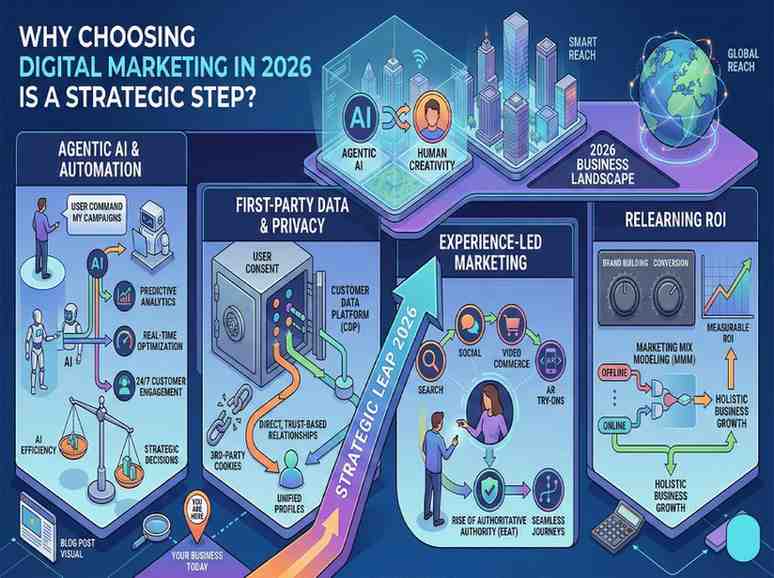
The real reason to pursue digital marketing in 2026 lies in the rapid growth of internet users across India’s Tier-2 and Tier-3 cities. With over 900 million people active online daily, brands now need local-language and region-specific content, making digital marketing more diverse than ever before.
Companies are no longer satisfied with general English campaigns. They are actively seeking professionals who can create content in regional languages like Hindi, Tamil, Bengali, and Marathi to build trust in fast-growing internet markets.
Marketing has also moved far beyond basic automation. Today’s digital marketers must design intelligent AI systems that analyze data and predict customer needs even before customers clearly express them.
For anyone serious about building a career in this evolving field, choosing the right digital marketing course can be the first strategic step.
Data now proves that digital marketing delivers stronger financial results than traditional media. As India becomes more digital, digital marketing in 2026 is generating higher ROI and deeper audience engagement than ever before.
Studies show that small and medium businesses earn over three times higher returns from digital strategies compared to traditional advertising. This advantage comes from the ability to target precise audiences based on demographics, location, and interests — a critical strength in a diverse country like India.
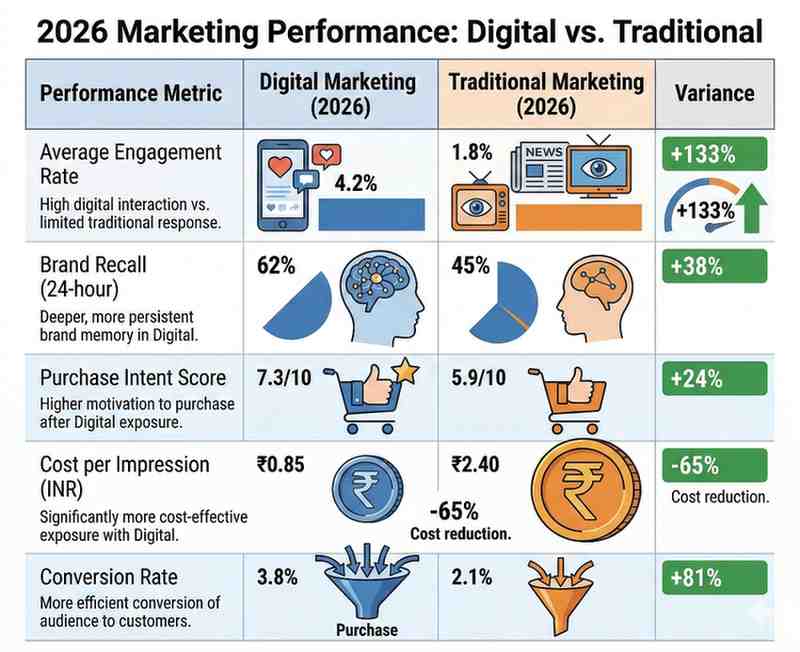
In 2026, digital marketing continues to outperform traditional media in engagement, brand recall, conversion rate, and cost efficiency — making it the dominant marketing strategy for modern businesses.
The comparison clearly shows how much more efficient digital marketing has become in India. Businesses are seeing higher engagement, better brand recall, stronger purchase intent, and improved conversion rates — all at a significantly lower cost compared to traditional marketing.
The shift in advertising budgets tells the same story. By the end of 2026, digital advertising in India is expected to reach ₹69,856 crore, accounting for around 61% of total ad spending. As social media advertising continues to overtake television as the dominant format, the demand for professionals with specialized digital skills has never been higher.
Digital marketing is more powerful than ever because it allows businesses to reach targeted audiences, track performance in real time, and optimize campaigns using data and AI tools. Compared to traditional marketing, it offers higher ROI, better engagement, and scalable growth opportunities.
In 2026, digital marketing is about building and managing a brand’s presence across online platforms and digital devices in a strategic way. Powered by data, analytics, and AI tools, it helps businesses understand their customers better and make smarter decisions.
It covers every digital touchpoint — from Google search results and social media feeds to WhatsApp messages and even virtual experiences.
Unlike traditional marketing, which mainly sends one-way messages through TV or newspapers, digital marketing creates a two-way conversation. Customers can respond, engage, ask questions, and share feedback. This continuous interaction helps brands build stronger trust and long-term relationships through personalization and responsible data use.
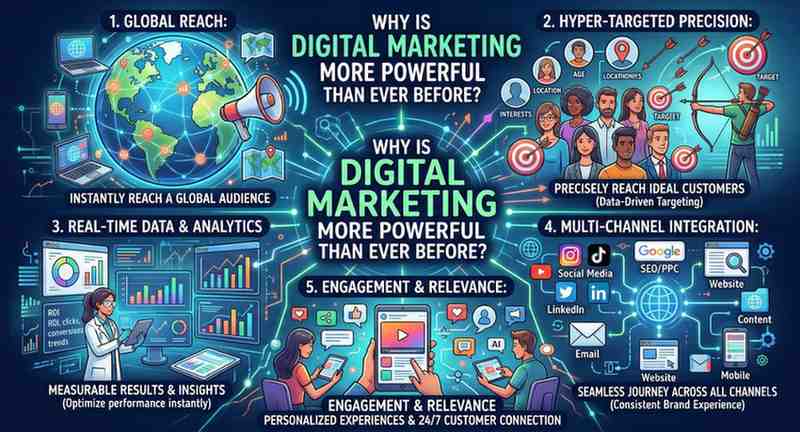
Digital marketing in 2026 stands out because of its ability to reach global audiences instantly, deliver data-driven targeting, provide real-time performance insights, and create seamless multi-channel customer experiences.
Digital marketing is not limited to one type of person. It is suitable for many different backgrounds.
Digital marketing is a career path for students, working professionals, entrepreneurs, and anyone looking to build future-ready skills in 2026.
Students and Fresh Graduates
For students starting their careers, digital marketing offers a fast-growing field where practical skills matter more than just degrees. It combines creativity with data and technology, giving a strong foundation for future career growth.
Career Switchers
Professionals from sales, finance, traditional marketing, or media can shift into digital roles by learning modern tools and strategies. Their existing business knowledge becomes a big advantage when combined with digital skills.
Working Professionals
Current marketers need continuous learning to stay relevant. New tools like AI-driven systems and advanced analytics platforms require regular upskilling to remain competitive.
Entrepreneurs and Small Business Owners
For founders and business owners, understanding digital marketing is essential. It helps them grow their business in a cost-effective way, attract the right customers, and scale faster.
Developers and Tech Enthusiasts
As marketing becomes more technology-driven, people with coding or data backgrounds have a major advantage. They can work in areas like marketing technology (MarTech), automation systems, API integrations, and performance analytics.
A well-structured digital marketing course in 2026 should combine strong fundamentals with advanced practical skills. The goal is to take a beginner step by step — from understanding basic concepts to confidently running multi-channel marketing campaigns.
It’s not just about learning definitions. It’s about learning how to execute.

Learning digital marketing is not random — it requires a structured roadmap where each skill builds on the previous one.
What Should You Learn First in Digital Marketing?
The first stage of a strong digital marketing course focuses on building the right foundation.
Students begin by learning the 3C Framework — understanding customers, competitors, and brand capabilities — to think strategically before launching campaigns.
They then move into practical training on website structure, WordPress, domain and hosting selection, site speed, and security. In 2026, a marketer must understand how websites work, not just how to promote them.
The curriculum also includes UI/UX and landing page optimization, teaching students to design mobile-friendly experiences and improve conversions using CRO principles and the ERRC method to reduce friction and enhance the customer journey.
90 Days Road Map to Become Advanced Digital Marketer
Download Pdf –
90 Days Digital Marketing Roadmap for Beginners
How Is Search Engine Optimization (SEO) Evolving in 2026?
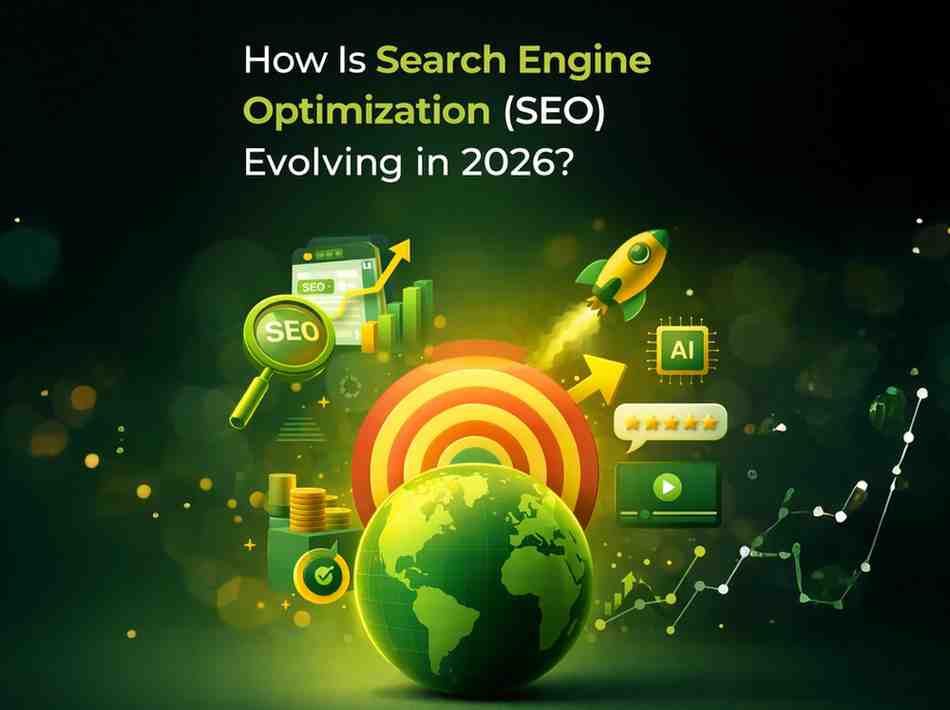
In 2026, SEO goes beyond keywords — it combines AI search optimization, user intent analysis, technical performance, and global visibility strategies
In 2026, SEO is no longer just about adding keywords to a website. It has evolved into what we can call “Search Everywhere Optimization.” This means optimizing content not only for traditional search engines like Google, but also for social media platforms such as Instagram and TikTok, where people now search for information directly. It also includes optimizing for AI-powered answer platforms that provide instant responses instead of just listing websites.
Today, SEO is about making your brand visible wherever people search — not just on search engines, but across the entire digital ecosystem.
| SEO Pillar | Core Focus Areas | 2026 Technological Impact |
|---|---|---|
|
Meta tags, URL structure, content depth, internal linking, LSI & semantic keywords
|
AI-driven content clusters and semantic relevance
|
|
|
Robots.txt, sitemaps, schema markup, Core Web Vitals, crawl optimization
|
Server-side tracking and AI-ready structured data
|
|
|
Authority building, guest posting, digital PR, brand reputation
|
Shift from bulk backlinks to high-trust authority signals
|
|
|
Google Business Profile, “near me” intent, local citations
|
Voice search optimization and vernacular discovery |
|
|
Featured snippets, FAQ schema, zero-click search optimization
|
Visibility in AI-powered answer engines and assistants |
|
|
AI citation signals, entity authority, trust factors |
Ranking in AI-generated responses (ChatGPT, Gemini, etc.) |
|
|
Conversational queries, long-tail keywords, natural language |
Growth of smart devices and regional voice search
|
|
|
YouTube optimization, transcripts, video schema, thumbnail CTR |
AI-indexed video content and short-form dominance |
|
|
UX signals, dwell time, engagement metrics, page speed |
Behavior-driven ranking algorithms |
|
|
Topic clusters, knowledge graph optimization, structured entities
|
AI-based contextual and semantic search understanding
|
Modern SEO training focuses on understanding keyword intent — knowing whether a user is searching for information, comparing options, or ready to make a purchase. This helps marketers create content that matches real user needs. In India, voice search is growing rapidly, so students must also learn to optimize for conversational, spoken queries instead of just typed keywords.
What’s the Next Step After SEO? Performance Marketing
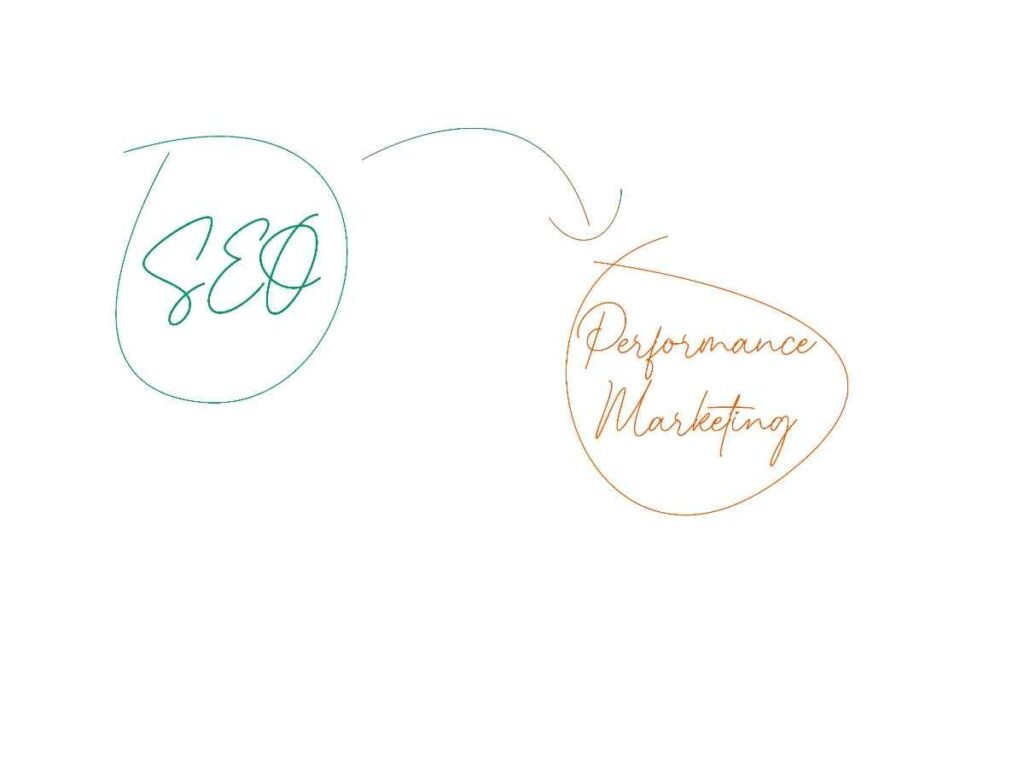
Once SEO builds consistent organic traffic, performance marketing helps accelerate growth through paid campaigns and measurable conversions.
After SEO, the next step is performance marketing. In 2026, paid advertising is no longer just about boosting posts. It now relies on smart automation and data to get better results. Platforms like Google Ads use advanced campaign types that automatically optimize ads across multiple channels.
On social media platforms like Facebook and Instagram, businesses use tracking tools to measure results accurately, even as traditional tracking methods become limited.
Performance marketing also includes areas like programmatic advertising and social commerce. Today, a social media post can directly lead to a purchase. Features like shoppable posts, live shopping, and AR try-ons help turn engagement into real sales.
How Do Content, Social Media, and AI Work Together in 2026?
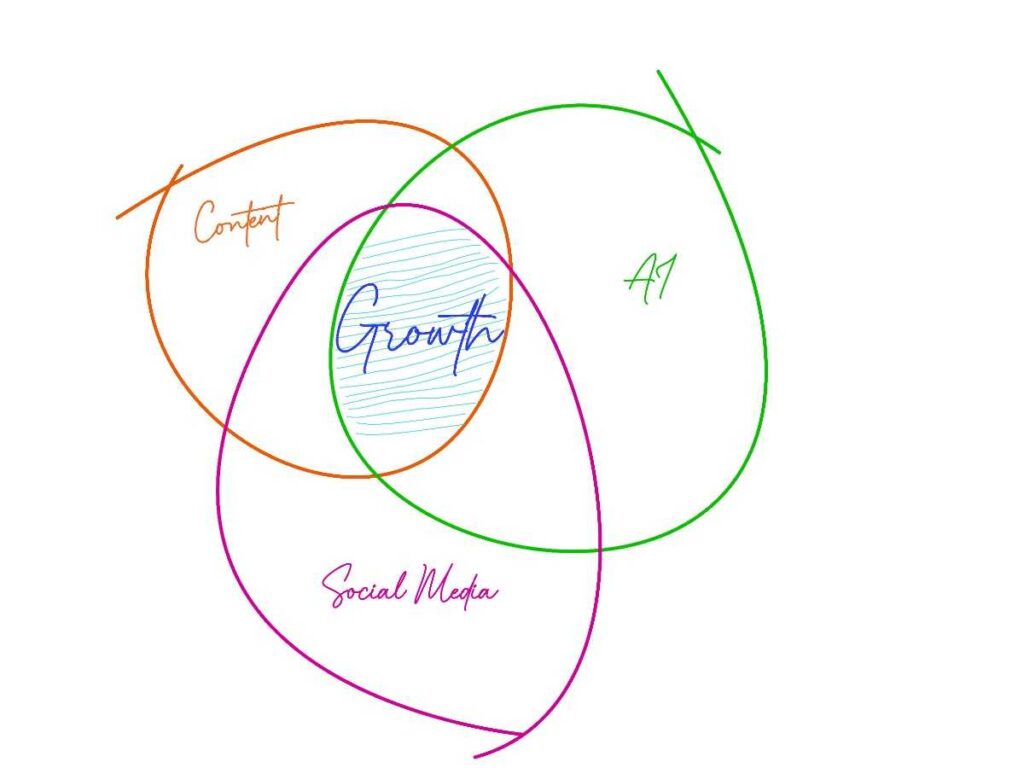
In 2026, real growth happens when strong content, smart social distribution, and AI-driven optimization work together as one strategy.
In 2026, content is everywhere — but human connection matters more than ever. While AI tools can help create drafts and ideas quickly, real impact still comes from storytelling that feels natural and emotionally engaging. That’s why strong content strategy focuses on understanding people, not just generating posts.
Content today comes in many formats — short videos like Reels and Shorts, social media posts, and long-form blogs that build authority. Each format requires a different writing style, tone, and structure.
AI has also become a regular part of modern marketing. It’s not a separate skill anymore — it’s a tool that supports everyday work. Marketers use tools like ChatGPT and other AI platforms to speed up research, create content variations, generate images, and automate workflows. The goal isn’t to replace creativity, but to work faster and smarter without losing quality.
In 2026, digital marketing can be learned in different ways, depending on your schedule, budget, and learning preference. Online programs offer flexibility and convenience, while offline classroom training provides structure and in-person interaction. Both formats have their own strengths, and the right choice depends on individual needs.

When choosing a digital marketing course, understanding the difference between online and offline learning formats is crucial.
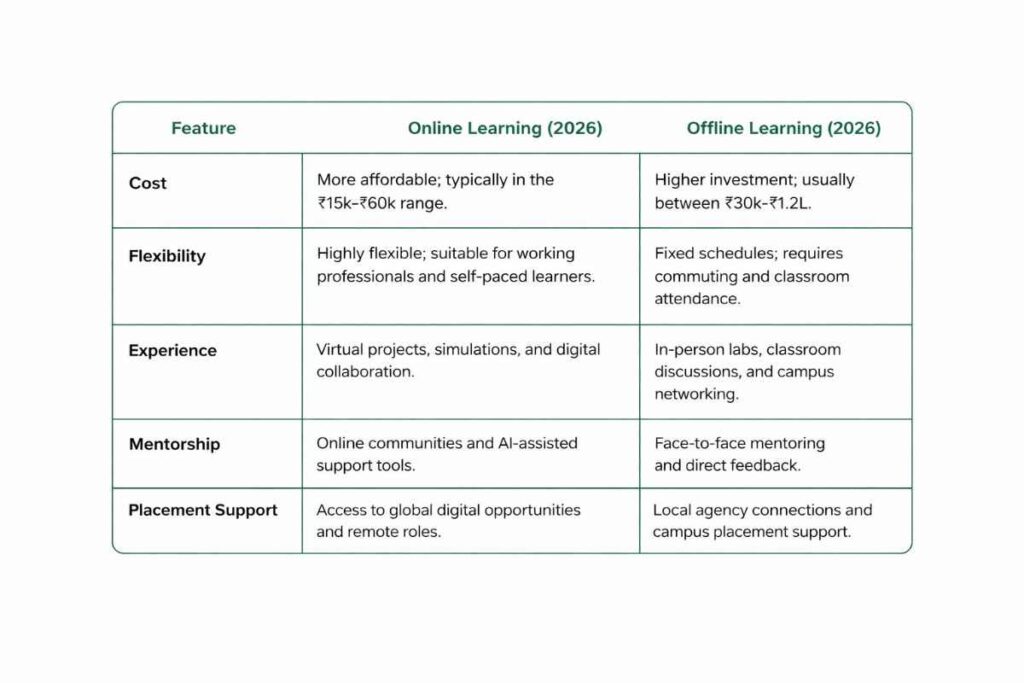
Choosing between online and offline digital marketing training depends on budget, flexibility, learning style, and career goals.
The choice ultimately depends on your goals and stage of growth. Working professionals and entrepreneurs often prefer online learning for flexibility, while students may benefit from structured offline programs. Many learners now choose a hybrid approach — combining online flexibility with occasional in-person workshops or project-based sessions.
The length of a digital marketing program depends on how deep you want to go. In 2026, training options are available at different levels based on career goals and time commitment.
- Short-Term Bootcamps (8–12 Weeks): These are focused programs designed to quickly build skills in specific areas like SEO or Paid Media.
- Professional Diplomas (4–6 Months): These offer broader training that covers most areas of digital marketing, from strategy to execution.
- Postgraduate or Executive Programs (12+ Months): These are more advanced and usually offered by universities, focusing on strategy, leadership, and marketing technology.
Choosing the right duration depends on your experience level and long-term goals.
In 2026, platform-based certifications continue to play an important role, especially for beginners. These certifications are often free or affordable and help validate practical skills. They are widely recognized and can strengthen a resume.
Here are some commonly recognized certifications:
| Platform | Certification Program | Key Skills Validated |
|---|---|---|
|
Google |
SEO, SEM, Analytics, Data Storytelling
|
|
|
HubSpot |
Content Marketing, Email Marketing, Customer Journey
|
|
|
Meta |
Facebook and Instagram Ads Management
|
|
|
LinkedIn |
Organic growth and B2B LinkedIn strategies
|
In most cases, certifications alone are not enough — practical experience and real-world projects matter just as much. However, these credentials help demonstrate platform knowledge and build credibility.
The cost of learning digital marketing depends on the type of program you choose. Short programs usually cost less, while advanced and specialized programs require a higher investment. The right option depends on your goals, experience level, and budget.
Here’s a general idea of the fee range in 2026:
| Course Type | Average Fee Range (INR) | Primary Target Audience |
|---|---|---|
|
Basic Certificate |
₹10,000 – ₹30,000 |
Beginners and entrepreneurs |
|
Professional Diploma |
₹45,000 – ₹1,00,000 |
Job seekers and career switchers |
|
Advanced Master’s |
₹1,50,000 – ₹5,00,000 |
Aspiring managers and senior professionals |
|
Specialized Bootcamp |
₹20,000 – ₹75,000 |
Professionals upskilling in AI or analytics |
Apart from tuition fees, learners should also consider additional expenses such as certification exam fees, paid software tools, and the time required for hands-on practice. However, entry-level salaries in major cities often start around ₹3–4 LPA, and many professionals recover their investment within the first year of working.
In 2026, digital marketing continues to grow rapidly in India. Industries like e-commerce, fintech, edtech, and startups are investing more in digital campaigns than ever before. As companies increase their online presence, the demand for skilled digital marketers keeps rising. Salaries are also steadily improving each year as businesses compete for experienced talent.
Below is a general salary breakdown based on experience level in India:
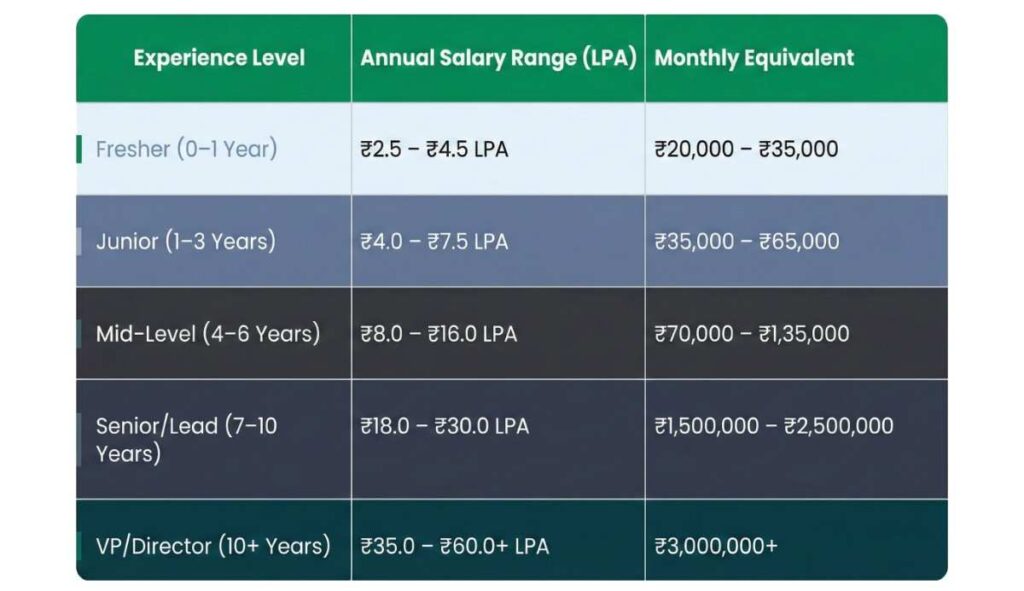
Digital marketing salary in India (2026) varies by experience level. Freshers earn around ₹2.5–₹4.5 LPA, while mid-level professionals can earn ₹8–₹16 LPA. Senior leaders and directors may earn ₹18 LPA to ₹60+ LPA, showing strong career growth potential in digital marketing.
These figures usually reflect salaries in Tier-1 cities like Bangalore, Mumbai, and Delhi. Compensation may vary depending on skills, specialization (SEO, performance marketing, analytics, AI), and company size.
Overall, digital marketing offers clear growth opportunities — both in terms of role progression and income — for those who continue upgrading their skills.
The industry you work in can make a big difference in how much you earn as a digital marketer. In 2026, some sectors pay higher salaries because they invest more in digital growth and performance marketing.
Here’s a general idea of average salaries across industries:
- Automotive: ₹6.3 LPA (average)
- Healthcare: ₹3.5 LPA (average)
- Marketing & Advertising Agencies: ₹3.2 LPA (average)
- BFSI (Banking & Finance): ₹3.1 LPA (average)
E-commerce Brands: ₹8.0 – ₹20.0 LPA (for specialized roles)
Industries like e-commerce and product-based companies often offer higher salaries, especially for professionals skilled in performance marketing, analytics, and AI-driven campaigns.
In 2026, digital marketing is no longer limited to office jobs. Many professionals now work remotely and serve clients from different countries while staying in India. Freelancing has opened global opportunities, allowing skilled marketers to earn in foreign currencies and work on international projects.
Experienced freelancers who specialize in areas like performance marketing, CRM automation, or analytics can earn significantly higher income compared to traditional roles. However, success in freelancing depends on skills, consistency, and building a strong reputation.
Here are some popular freelance platforms and how they are typically used:
Freelance Platforms Overview (2026)
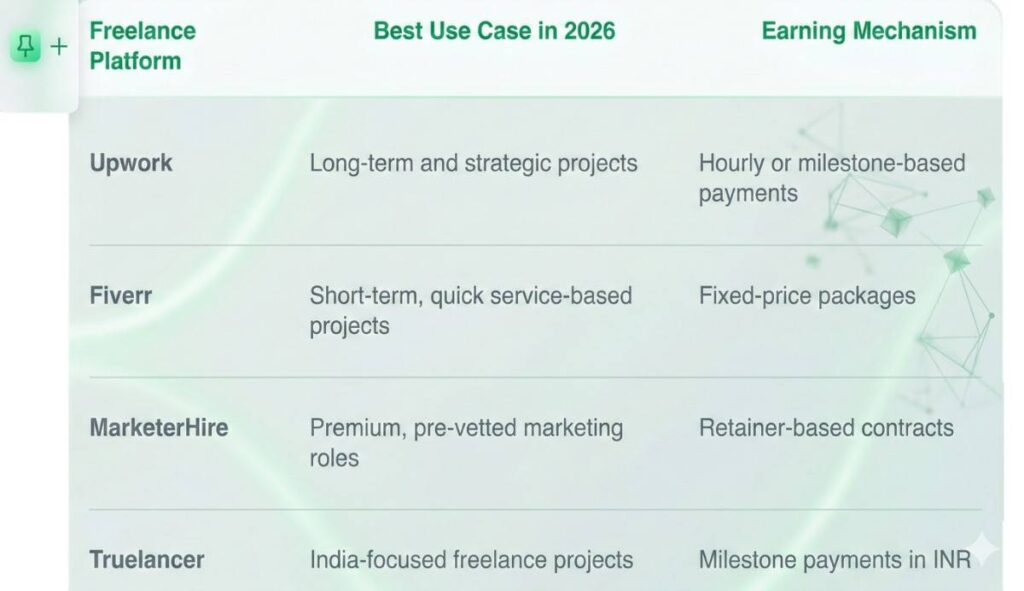
In 2026, digital marketing freelancers can choose from global platforms like Upwork, Fiverr, and MarketerHire, as well as India-focused options like Truelancer. Each platform offers different earning models, including hourly, fixed-price, retainer, and milestone-based payments.
To succeed in 2026, a digital marketer needs a mix of broad knowledge and deep expertise. This is often called a “T-shaped” skill set — meaning you understand all major areas of digital marketing, but you are highly skilled in one or two specific areas.
Let’s break it down into technical skills and human skills.
These are the practical skills every digital marketer should know:
- Search Engine Mastery: Understanding SEO, voice search, and AI-driven search results.
- Data Analytics and Reporting: Being comfortable with tools like GA4, Looker Studio, and basic data analysis to track performance and explain results clearly.
- AI Usage and Automation: Knowing how to use AI tools effectively for content creation, workflow automation, and marketing tasks.
- Paid Media Optimization: Managing and improving ad campaigns using smart bidding and performance-based strategies.
- Marketing Technology (MarTech): Understanding CRM systems and automation tools that help manage leads and customer journeys.
Soft Skills (The Human Side)
Technical skills are important, but human skills matter just as much.
- Understanding Customer Behavior: Knowing why people click, scroll, and make buying decisions online.
- Accountability and Adaptability: Staying calm and adjusting strategies when algorithms or platforms change.
- Creative Problem Solving: Finding smart solutions when budgets are tight or results slow down.
- Future Awareness: Keeping an eye on trends and new technologies to stay ahead.
Not all digital marketing programs are equal. Here are a few warning signs to look out for:
- Only Theory, No Practice: Be careful of programs that focus only on case studies and slides without giving hands-on access to real ad accounts, analytics tools, or live projects. Digital marketing is practical — you need real experience, not just theory.
- Too Much Focus on Certificates: A fancy certificate from a university may look good, but it doesn’t replace real skills. What matters more is whether you can actually run ads, analyze data, and create effective campaigns.
- Outdated Curriculum: Make sure the syllabus includes current tools and updates, such as GA4, server-side tracking, and AI-driven search optimization. If a program hasn’t been updated recently, it may not reflect how digital marketing works today.
- Unrealistic Job Promises: Be cautious of programs that promise mass job applications or guaranteed placements through generic portals. Real career growth comes from building skills, networking, and creating strong relationships — not just sending hundreds of applications.
As we move closer to 2030, digital marketing will continue to evolve with new technologies. Concepts like the metaverse, Web3, and decentralized platforms are slowly becoming part of the conversation. In the coming years, brands may use NFT-based loyalty programs and systems where customers have more control over how their data is shared.
Predictive analytics will also become more advanced. Instead of just identifying potential customers, businesses will use data to predict larger market trends. This will help companies align their marketing strategies with inventory, pricing, and operations in real time.
Another major shift will be the growth of AI-driven systems. In the future, marketers may work alongside autonomous AI tools that handle data analysis and repetitive tasks. This will allow professionals to focus more on strategy, creativity, ethics, and storytelling.
For anyone starting today, digital marketing is not just about learning tools. It’s about developing a mindset of continuous learning and adapting to change. The industry will keep evolving — and so must the people working in it.
The best digital marketing course in 2026 should include SEO, performance marketing, AI tools, analytics, and real-world projects. A practical course that teaches campaign execution is more valuable than theory alone.
Most beginners can learn the fundamentals of digital marketing in 3–6 months. However, mastering advanced skills like SEO, paid ads, and analytics can take 1–2 years of hands-on experience.
Yes. Digital marketing remains one of the fastest-growing careers globally due to the increasing number of online businesses and digital advertising investments.
Freshers in digital marketing typically earn between ₹2.5 LPA and ₹4.5 LPA depending on skills, certifications, and location.
Key Takeaways
• Digital marketing will dominate advertising by 2026
• AI and automation are transforming marketing workflows
• Freshers can earn ₹2.5–4.5 LPA in India
• Freelancing allows global income opportunities
• A structured 90-day roadmap helps beginners learn faster
Want to go deeper? Explore these expert digital marketing guides for 2026:

What is SEO and How Does It Works?
Services E-Commerce Shopify Website Development E-Commerce SEO Product Marketing Performance...
Read MoreBest Junior Colleges in Hyderabad
Services E-Commerce Shopify Website Development E-Commerce SEO Product Marketing Performance...
Read More
Digital Marketing Course in 2026: Complete 90-Day Week-by-Week Roadmap
Services E-Commerce Shopify Website Development E-Commerce SEO Product Marketing Performance...
Read More